
Dallas Estate Cleanout Services
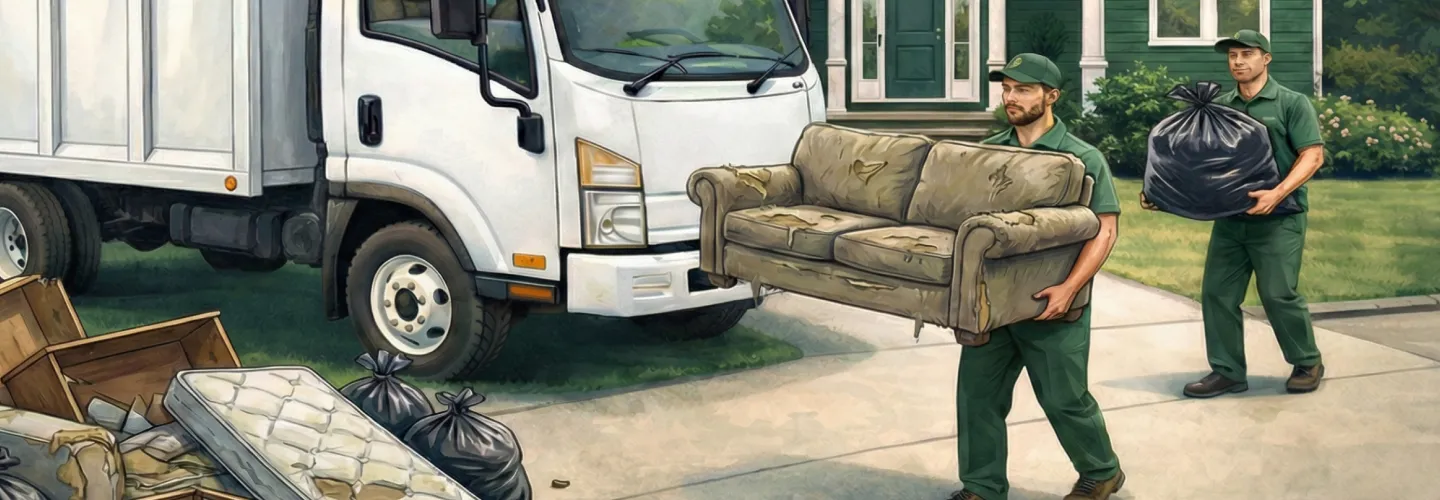
Choose our estate cleanout services for a stress-free experience—our expert team handles every detail with care, respect, and efficiency, ensuring your property is cleared quickly and responsibly so you can focus on what matters most.
Get a Free QuoteOur Dallas Junk Removal Services
Estate Cleanout in Dallas, GA – Local Service Guide
Estate cleanout in Dallas, GA is a specialized service designed to help residents and businesses efficiently clear out properties after major life events, seasonal changes, or property transitions. In neighborhoods like Seven Hills and Cedarcrest, residents often require cleanouts after estate sales, downsizing, or preparing homes for sale. Timing is key—spring and fall are popular for residential cleanouts, while commercial properties in downtown Dallas may need after-hours or discreet services to minimize business disruption. Items such as furniture, appliances, and electronics can often be donated or recycled locally, while larger items like sheds or hot tubs require careful removal due to access and weather considerations. For residential spaces like garages or basements, flooding or heavy tree coverage can drive the need for timely cleanouts, especially after storms. Commercial clients, including medical offices and retail spaces, often face strict operational timelines and require coordinated, high-volume removal. Specialty services, such as hoarding or foreclosure cleanouts, demand sensitive planning and compliance with local ordinances. For more on local disposal rules and resources, visit the Dallas Public Works Department.
Key Considerations for Estate Cleanout in Dallas
- Optimal timing (seasonal/weather factors)
- Required permits and local regulations
- Disposal and recycling channels
- Property access and neighborhood logistics
- Volume and category-specific handling
- Coordination with city services and compliance
Benefits of Estate Cleanout in Dallas
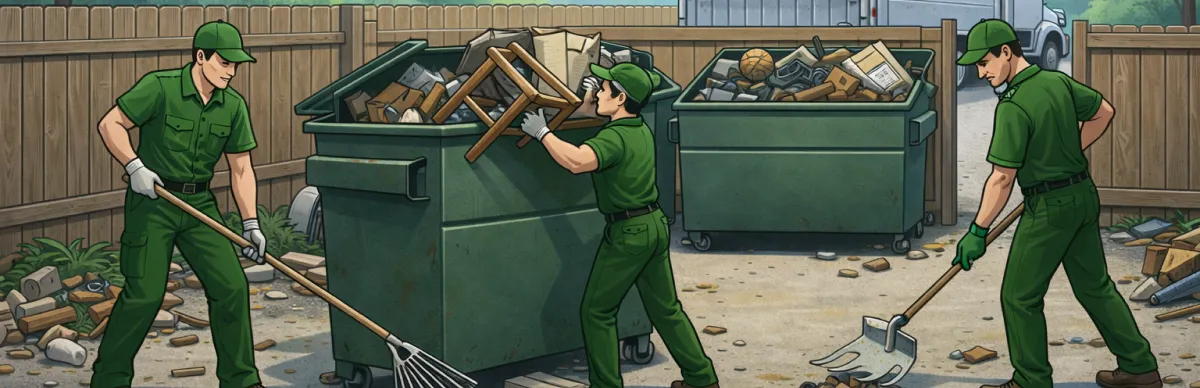
Fast and Efficient Cleanout
Experienced Local Team
Eco-Friendly Disposal
Flexible Scheduling Options
Transparent Upfront Pricing
Comprehensive Estate Services
Coordinating Estate Cleanout Disposal with Dallas Public Works and Paulding County Services
Estate cleanout projects in Dallas, GA, generate significant volumes of household goods, furniture, appliances, and miscellaneous debris that require proper disposal through municipal and county channels. Dallas is located within Paulding County, and residents must coordinate with both city and county resources to ensure compliant waste removal. Key considerations for estate cleanout disposal in Dallas include:
- Bulk item removal must comply with local solid waste collection guidelines; oversized items such as sofas, mattresses, and large appliances may not be accepted through standard curbside pickup
- Sorting requirements apply to mixed estate contents — separating recyclables, hazardous materials, and general waste before transport to disposal facilities
- Paulding County transfer station serves as the primary drop-off point for large-volume residential waste generated during estate cleanouts
- Scheduling coordination with waste haulers is essential, as estate cleanouts often produce volumes exceeding standard residential collection limits
- Code compliance must be maintained throughout the cleanout process to avoid violations related to debris accumulation on the property
Residents should contact the Dallas Public Works Department for guidance on local collection options and any applicable restrictions before beginning an estate cleanout project.
Dallas Public Works Department
101 Manena Street, Dallas, GA 30132
Phone: (770) 443-8115
Official Website: Dallas Public Works Department
Georgia Environmental Protection Division Requirements for Estate Cleanout Waste Streams
Estate cleanouts in Dallas must comply with Georgia's solid waste management regulations administered by the Georgia Environmental Protection Division (GA EPD). The Georgia Comprehensive Solid Waste Management Act (O.C.G.A. § 12-8-20 et seq.) establishes the regulatory framework governing how residential waste — including estate cleanout materials — must be handled, transported, and disposed of across the state. Important regulatory requirements include:
- Hazardous waste prohibition — paints, solvents, pesticides, automotive fluids, and chemical cleaners found during estate cleanouts cannot be disposed of in municipal solid waste streams and must be taken to designated household hazardous waste collection events
- Appliance refrigerant recovery is mandated under EPA Section 608 regulations before any refrigerator, freezer, air conditioner, or dehumidifier can be disposed of or recycled
- Lead paint considerations apply to homes built before 1978; the EPA Renovation, Repair, and Painting Rule requires lead-safe work practices when disturbing painted surfaces during cleanout activities
- Tire disposal is regulated separately under Georgia law, prohibiting landfill disposal of whole tires
- Electronics and batteries should be diverted from landfill disposal and directed to appropriate recycling facilities
Paulding County periodically hosts household hazardous waste collection events where Dallas residents can properly dispose of chemicals, paints, and other restricted materials discovered during estate cleanouts.
Dallas Code Enforcement and Property Maintenance Standards During Estate Cleanouts
Estate cleanout projects must adhere to Dallas municipal code ordinances governing property maintenance, debris storage, and neighborhood preservation. The City Marshal's office enforces code compliance and may issue violations if cleanout debris is improperly stored or left on the property for extended periods. Residents and estate representatives should be aware of the following requirements:
- Debris accumulation on residential properties — including front yards, driveways, and rights-of-way — must not create health hazards, attract pests, or obstruct public access
- Temporary staging of estate cleanout materials should be confined to the property and removed within a reasonable timeframe to avoid code enforcement action
- Noise ordinances in Dallas restrict the hours during which heavy loading, equipment operation, and truck activity may occur in residential areas
- Right-of-way clearance must be maintained at all times; items cannot block sidewalks, drainage ditches, or roadways during the cleanout process
- Abandoned vehicles discovered on estate properties require separate handling through proper title transfer or junk vehicle removal procedures
Dallas Code Enforcement
101 Manena Street, Dallas, GA 30132
Phone: (770) 443-8115
Official Website: Dallas Code Ordinances
Recycling, Donation, and Material Recovery Options for Dallas Estate Cleanouts
Diverting reusable and recyclable materials from landfills is an important component of responsible estate cleanout practices in Dallas. Georgia does not currently have a mandatory mattress EPR program or a statewide electronics landfill ban, but voluntary recycling and donation programs are available throughout the Paulding County area. Estate representatives should consider the following material recovery strategies:
- Furniture and household goods in usable condition can be donated to local charitable organizations such as Habitat for Humanity ReStore or Goodwill, which accept items including tables, chairs, dressers, and kitchenware
- Scrap metal — including appliance housings, copper wiring, aluminum, and steel — can be taken to local scrap yards for recycling and material recovery
- Electronics such as televisions, computers, monitors, and printers should be directed to certified e-waste recyclers rather than placed in standard waste streams; the EPA Region 4 office provides guidance on proper electronics disposal in Georgia
- Mattresses and box springs may be accepted at the Paulding County transfer station for a fee; confirm current acceptance policies before transport
- Clothing and textiles can be donated or placed in textile recycling collection bins available at various locations throughout the county
Prioritizing donation and recycling during estate cleanouts reduces disposal costs and supports landfill diversion goals.
Building Permits and Structural Considerations for Dallas Estate Cleanout Projects
When estate cleanout activities involve removal of built-in fixtures, cabinetry, or structural modifications, a building permit from the Dallas Community Development Department may be required. This is particularly relevant when cleanouts transition into property renovation or preparation for sale. Key permit and structural considerations include:
- Demolition of built-in features such as shelving, countertops, or wall-mounted units may require a permit if the work affects structural elements, plumbing, or electrical systems
- Asbestos-containing materials — common in homes built before 1980 — including floor tiles, insulation, pipe wrapping, and popcorn ceilings, require professional assessment and licensed abatement before removal
- Load-bearing wall identification is critical when removing large built-in storage systems or room dividers during comprehensive estate cleanouts
- Electrical disconnection should be performed by a licensed electrician before removing hardwired appliances, light fixtures, or built-in equipment
- Plumbing capping is necessary when removing water-connected appliances such as washing machines, dishwashers, or water heaters
Dallas Community Development – Building Permits
101 Manena Street, Dallas, GA 30132
Phone: (770) 443-8115
Official Website: Dallas Building Permits
What Neighborhoods Do We Serve Throughout Dallas, GA?
- Downtown Dallas Historic District: Older homes near the courthouse square may contain lead paint, asbestos, or outdated wiring requiring specialized handling during estate cleanouts. Narrow lot configurations and on-street parking limitations can affect loading vehicle access and staging areas.
- Brookmont / Dallas Highway Corridor: A mix of established single-family homes and newer subdivisions characterizes this area. Wider residential streets and driveway access generally accommodate estate cleanout vehicles, though homeowner association rules may govern debris staging and removal timelines.
- Villa Rica Highway Area: Properties along this corridor include older ranch-style homes on larger lots, where estate cleanouts may involve outbuildings, sheds, and accumulated yard equipment in addition to household contents.
- Merchants Drive / Industrial Parkway Area: Commercial and light-industrial properties in this zone may require business licensing verification and coordination with the Dallas Community Development Department for cleanout projects involving commercial fixtures or equipment.
- Paulding County Residential Communities Surrounding Dallas: Subdivisions in unincorporated Paulding County adjacent to Dallas city limits — including areas near the Paulding County Airport — feature newer construction with wider streets and garage access, simplifying large-volume estate cleanout logistics.
- Confederate Avenue / Heritage Area: Established residential streets with mature tree canopy may present overhead clearance challenges for larger removal vehicles. Properties in this area often date to the mid-twentieth century, increasing the likelihood of encountering hazardous materials during comprehensive cleanouts.