
Dallas Basement & Attic Cleaning Services
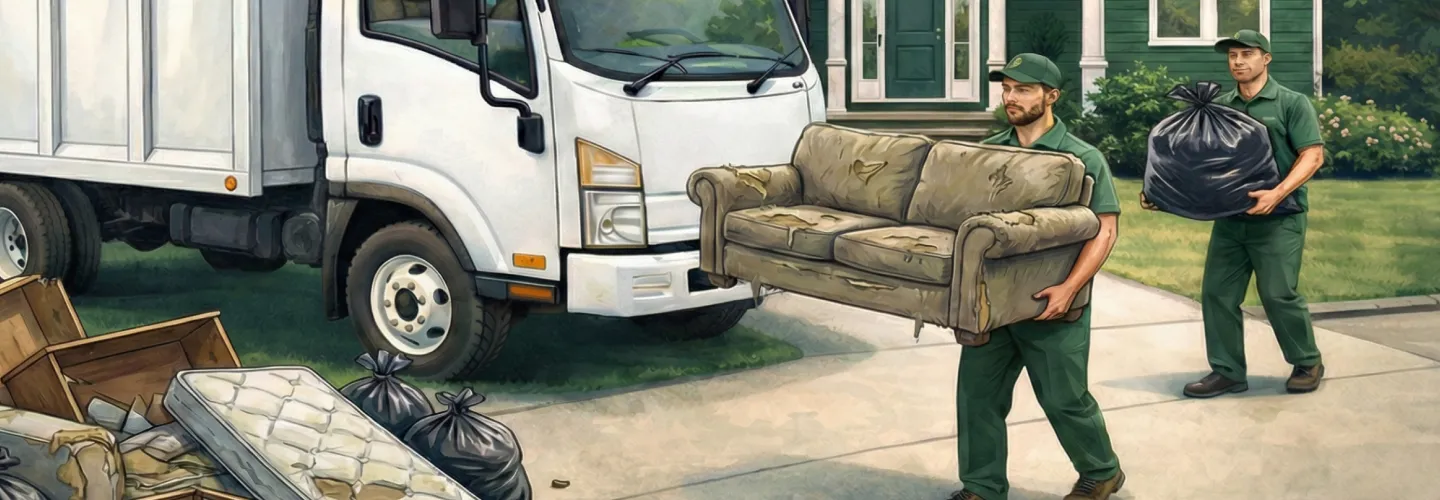
Choose our expert basement and attic cleaning for a healthier, clutter-free home—our trusted team removes dust, debris, and allergens so you can enjoy a cleaner, safer living space.
Get a Free QuoteOur Dallas Junk Removal Services
Basement & Attic Cleaning in Dallas, GA – Local Service Guide
Basement and attic cleaning in Dallas, GA is essential for maintaining a safe, organized home and preventing issues like mold, pests, and clutter. In neighborhoods like Seven Hills and Cedarcrest, seasonal cleanouts often follow spring storms or precede the humid summer months, when moisture and debris can accumulate. Homeowners typically schedule these services during major life events—such as moving, renovations, or replacing large items like appliances or mattresses. Local disposal options include donation centers, recycling facilities, and city-approved waste services. For larger items or specialty removals (like hot tubs or pianos), access and weather can impact logistics, especially in properties with limited driveway space or steep terrain. Commercial properties in downtown Dallas and along Merchants Drive may require discreet, after-hours cleanouts to minimize business disruption. Specialty projects, such as estate or foreclosure cleanouts, demand careful planning and coordination with local authorities. For guidance on local disposal rules and resources, visit the Dallas Public Works Department.
Key Considerations for Basement & Attic Cleaning in Dallas
- Optimal timing: post-storms, pre-summer humidity, or during major life changes
- Permits may be needed for large-scale disposals or dumpsters
- Use city-approved disposal and recycling channels
- Assess access for removal teams (stairs, driveways, weather)
- Estimate volume and category of items for efficient planning
- Coordinate with local schedules and property management for commercial or specialty projects
Benefits of Basement & Attic Cleaning in Dallas
Improved Indoor Air Quality
Enhanced Home Safety
Prevention of Mold and Pests
Increased Storage Space
Boosted Property Value
Professional and Reliable Service
Coordinating Basement and Attic Debris Disposal with Dallas Public Works Department
Basement and attic cleaning projects in Dallas, GA, frequently generate large volumes of accumulated household items, old furniture, stored materials, and miscellaneous debris that require proper disposal through municipal channels. The Dallas Public Works Department oversees infrastructure services including stormwater management and utility coordination, which may be relevant when cleanout projects involve water-damaged materials or items stored near utility access points. Residents undertaking basement or attic cleanouts should be aware of the following disposal considerations:
- Bulk item removal must comply with local solid waste collection guidelines; oversized items may require special scheduling
- Separated recyclables such as scrap metal, cardboard, and plastics should be diverted from general waste streams
- Hazardous materials including old paint cans, solvents, and chemical products found in basements or attics must not be placed in regular trash
- Construction-related debris from any renovation work associated with the cleanout may require separate handling
Dallas Public Works Department
116 Main Street, Dallas, GA 30132
Phone: (770) 443-8110
Official Website: Dallas Public Works Department
Paulding County manages residential solid waste collection services for the Dallas area. Residents should contact the county or their contracted hauler to confirm bulk pickup availability and scheduling requirements before placing cleanout debris curbside.
Georgia Environmental Protection Division Requirements for Hazardous Materials Found During Cleanouts
Basements and attics in Dallas, GA, often contain stored hazardous materials that have accumulated over years or decades. Items such as old pesticides, paint thinners, automotive fluids, pool chemicals, and mercury-containing thermostats require disposal in accordance with the Georgia Comprehensive Solid Waste Management Act (O.C.G.A. § 12-8-20) and regulations enforced by the Georgia Environmental Protection Division (GA EPD). Improper disposal of these materials can result in code violations and environmental contamination. Key compliance points include:
- Latex and oil-based paints must not be disposed of in regular household trash; dried latex paint may be accepted, but oil-based paint is classified as hazardous waste
- Batteries including lead-acid and lithium-ion types require recycling through designated collection programs
- Fluorescent bulbs and CFLs contain mercury and are prohibited from landfill disposal in many jurisdictions
- Pesticides and herbicides must be taken to a household hazardous waste collection event or facility
- Old electronics such as CRT televisions and computer monitors found in attic or basement storage should be recycled through e-waste programs
Georgia Environmental Protection Division
2 Martin Luther King Jr. Drive SE, Suite 1456, Atlanta, GA 30334
Phone: (404) 656-4713
Official Website: Georgia Environmental Protection Division
Paulding County periodically hosts household hazardous waste collection events where Dallas residents can drop off these materials at no charge. Monitoring the county's public announcements for upcoming event dates and accepted item lists is strongly recommended before beginning any basement or attic cleanout.
Dallas Building Permits and Code Compliance for Renovation-Related Attic and Basement Work
When basement or attic cleaning in Dallas, GA, extends beyond simple decluttering into structural modifications—such as removing built-in shelving, tearing out old insulation, or addressing water damage—building permits may be required through the Dallas Community Development Department. The Dallas Building Permits office handles plan review, inspections, and code compliance for both residential and commercial properties. Residents should consider the following:
- Insulation removal or replacement in attics may require a permit if it involves structural changes or electrical work
- Asbestos-containing materials in homes built before 1980 must be identified before disturbance; a licensed inspector should assess vermiculite insulation, pipe wrapping, and floor tiles per EPA guidelines
- Lead paint in pre-1978 homes requires compliance with the EPA Renovation, Repair, and Painting Rule if surfaces are disturbed during cleaning
- Electrical or plumbing modifications uncovered during cleanout require licensed contractor involvement and inspection
- Structural concerns such as compromised floor joists or water-damaged framing must be reported and addressed through proper permitting channels
Dallas Community Development Department
116 Main Street, Dallas, GA 30132
Phone: (770) 443-8110
Official Website: Dallas Community Development
The Dallas Code Ordinances office enforces property maintenance standards and can provide guidance on compliance requirements when cleanout projects reveal code violations such as improper wiring, pest infestations, or mold conditions.
Safe Material Handling and OSHA Considerations for Dallas Basement and Attic Projects
Basement and attic spaces in Dallas, GA, present unique safety hazards that require careful planning and appropriate protective measures. Confined spaces, limited ventilation, extreme temperatures in attics during Georgia summers, and the presence of potentially hazardous stored materials all demand adherence to established safety protocols. Key safety considerations include:
- Respiratory protection is essential when disturbing dust, old insulation (particularly vermiculite that may contain asbestos), or mold-affected materials; N95 respirators are the minimum recommended standard
- Heat stress prevention is critical for attic work during warm months, as attic temperatures in the Dallas area can exceed 130°F; frequent hydration breaks and limiting work intervals to 15–20 minutes are recommended
- Structural load awareness requires understanding weight limits of attic flooring and basement stairs before moving heavy stored items; overloading can cause collapse
- Pest and wildlife encounters including rodents, bats, snakes, and insects are common in undisturbed basement and attic spaces; protective gloves and clothing are necessary
- Electrical hazards from exposed or deteriorated wiring in older homes require caution; avoid contact with unknown wiring and consult a licensed electrician if damage is observed
Paulding County Fire Rescue
240 Constitution Boulevard, Dallas, GA 30132
Phone: (770) 443-3667
Official Website: Paulding County Fire Rescue
Professional cleaning services operating in Dallas must comply with OSHA workplace safety standards, including proper personal protective equipment, fall protection for attic access, and hazard communication for any chemicals encountered during cleanout operations.
Recycling and Donation Opportunities for Items Recovered from Dallas Basement and Attic Cleanouts
Basement and attic cleanouts in Dallas, GA, frequently uncover reusable items including furniture, clothing, household goods, sporting equipment, and seasonal decorations that can be diverted from landfills through donation and recycling programs. Georgia's solid waste management framework, administered by the Georgia Environmental Protection Division, encourages waste diversion and material recovery. Residents should consider these options before disposing of cleanout materials:
- Furniture and household goods in usable condition can be donated to local thrift stores and charitable organizations in the Paulding County area; Habitat for Humanity ReStores accept furniture, appliances, and building materials
- Scrap metal including old tools, shelving brackets, and metal fixtures can be taken to scrap metal recyclers in the greater Dallas area
- Clothing and textiles should be bagged separately for donation or textile recycling rather than placed in general waste
- Electronics such as old computers, televisions, and stereo equipment should be recycled through designated e-waste collection programs rather than discarded in household trash
- Appliances containing refrigerants (old basement refrigerators or freezers) require certified refrigerant recovery per EPA Section 608 regulations before disposal
Sorting materials during the cleanout process—separating recyclables, donatable items, hazardous waste, and general trash—significantly reduces landfill impact and ensures compliance with Georgia waste management regulations.
What Neighborhoods Do We Serve Throughout Dallas, GA?
- Downtown Dallas Historic District: Older homes near the courthouse square often feature original basements and attics with decades of accumulated materials. Narrow lot lines and limited driveway access may require careful coordination for debris removal vehicles, and historic properties may have additional considerations regarding material disturbance.
- Brookmont and Villa Rica Highway Corridor: Established residential neighborhoods with single-family homes built from the 1970s through 1990s. Attics in these homes may contain original vermiculite insulation requiring professional assessment before disturbance, and basements frequently store legacy household chemicals.
- Dallas Crossing and Paulding County Line Areas: Newer subdivisions with HOA regulations that may govern debris placement at curbside and scheduling of removal vehicles. Homes typically feature accessible attic spaces and crawl spaces rather than full basements.
- Merchants Drive and Industrial Parkway Area: Mixed commercial and residential zones where business properties may require coordination with the Dallas Community Development Department for commercial cleanout permitting and waste hauler licensing.
- Hardee Street and West Memorial Drive Neighborhoods: Older residential areas with mature tree canopy that may limit truck access. Homes in this area frequently have full basements with potential moisture issues, requiring mold assessment before and during cleanout activities.
- New Hope Church Road Corridor: Rural-residential properties with larger lots and outbuildings that may include basement-level storage areas. Extended driveways and unpaved surfaces require advance planning for removal vehicle access and staging.