
Dallas Construction Waste Management Services
Choose us for your construction waste management needs and experience hassle-free, eco-friendly disposal that keeps your project on schedule and your site compliant with local regulations.
Get a Free QuoteOur Dallas Junk Removal Services
Construction Waste Management in Dallas, GA – Local Service Guide
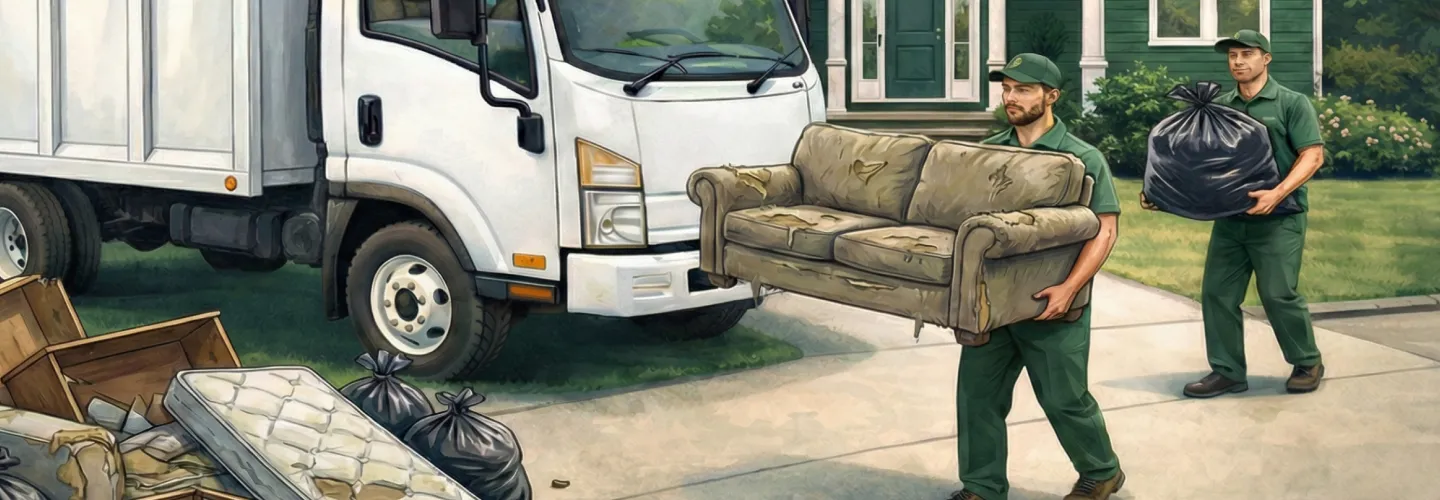
Construction waste management in Dallas, GA, is essential for maintaining clean neighborhoods and supporting responsible development. In areas like Seven Hills and Cedarcrest, residents often need to dispose of bulky items such as furniture, mattresses, and appliances during seasonal cleanouts, home renovations, or after major life events. Local weather, including spring storms and summer heat, can impact access and timing for yard waste and trash pickup, especially in flood-prone zones or properties with dense tree coverage. For commercial properties in downtown Dallas or along Merchants Drive, businesses like restaurants and offices require discreet, timely removal of construction debris and operational waste, often on tight schedules to minimize disruption. Specialty services—such as dumpster rentals for estate cleanouts or construction debris—demand careful planning and coordination, particularly for large-scale projects or properties with limited access. Understanding local regulations and disposal options, including recycling and donation, is crucial for efficient and compliant waste management. For more information on local rules and resources, visit the Dallas Public Works Department.
Key Considerations for Construction Waste Management in Dallas
- Timing around seasonal cleanouts, storms, and renovations
- Required permits for large-scale or specialty disposal
- Approved disposal and recycling channels
- Property access and weather-related logistics
- Volume and category-specific handling needs
- Coordination with local schedules and regulations
Benefits of Construction Waste Management in Dallas
Efficient Waste Removal
Cost-Effective Solutions
Regulatory Compliance
Eco-Friendly Practices
Improved Site Safety
Streamlined Project Timelines
Coordinating Construction Debris Disposal with Dallas, GA Public Works Department
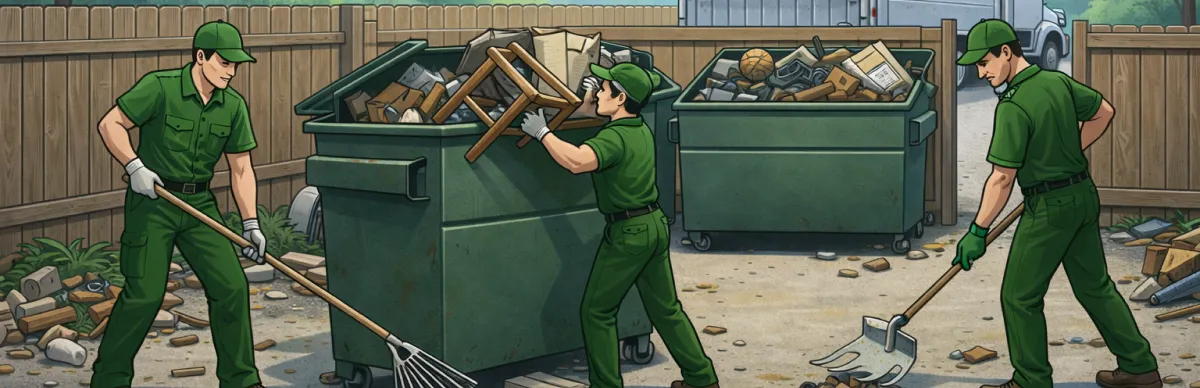
Construction and demolition projects in Dallas, GA generate significant volumes of waste materials that require proper handling and disposal in accordance with municipal and state regulations. The Dallas Public Works Department oversees infrastructure services that intersect with construction waste management, including stormwater protection and street maintenance during active projects. Contractors and property owners must ensure debris does not obstruct public rights-of-way, storm drains, or neighboring properties during removal operations.
- Lumber, drywall, and roofing materials must be separated from household waste streams
- Concrete, brick, and masonry rubble should be directed to facilities accepting inert construction debris
- Metal framing, rebar, and copper wiring are recyclable through scrap metal processors
- Stormwater runoff from construction sites must be managed to prevent sediment and debris from entering municipal drainage systems
- Construction vehicles must avoid damaging city streets and curbing during hauling operations
Dallas Public Works Department
116 Main Street, Dallas, GA 30132
Phone: (770) 443-8110
Official Website: Dallas Public Works Department
Dallas Building Permit Requirements for Renovation and Demolition Debris
Before initiating any construction, renovation, or demolition project in Dallas, GA, property owners and contractors must obtain the appropriate building permits through the Dallas Community Development department. Building permits ensure that waste generated during construction is managed according to local codes and that debris removal plans are in place before work begins. The Dallas Building Permits office conducts plan reviews and inspections that may include verification of waste handling procedures.
- Demolition permits are required before tearing down any structure; debris disposal documentation may be requested
- Renovation permits for projects generating significant waste must include a plan for material removal
- Inspections may verify that hazardous materials such as asbestos or lead paint have been properly assessed before demolition
- Pre-1978 structures require lead paint evaluation under the EPA Renovation, Repair, and Painting Rule
- Permit applications should be submitted well in advance, as review timelines vary based on project scope
Dallas Community Development – Building Permits
116 Main Street, Dallas, GA 30132
Phone: (770) 443-8110
Official Website: Dallas Building Permits
Georgia's Solid Waste Management Act and Construction Debris Compliance
Georgia regulates construction and demolition waste under the Georgia Comprehensive Solid Waste Management Act (O.C.G.A. § 12-8-20), administered by the Georgia Environmental Protection Division (GA EPD). This legislation establishes requirements for the handling, transport, and disposal of construction and demolition debris throughout the state, including projects within Dallas and Paulding County. Construction and demolition waste is classified separately from municipal solid waste and must be directed to permitted facilities.
- Inert waste landfills accept materials such as concrete, brick, rock, and uncontaminated soil
- Construction and demolition landfills accept mixed debris including wood, drywall, roofing, and non-hazardous building materials
- Hazardous materials including asbestos, lead-based paint debris, and chemical solvents are prohibited from standard C&D landfills and must be handled per Resource Conservation and Recovery Act (RCRA) requirements
- Illegal dumping of construction debris carries penalties under Georgia law, including fines and potential criminal charges
- Haulers transporting construction waste must use permitted disposal facilities and maintain proper documentation
Georgia Environmental Protection Division – Solid Waste Program
2 Martin Luther King Jr. Drive SE, Suite 1054, Atlanta, GA 30334
Phone: (404) 656-4713
Official Website: Georgia Environmental Protection Division
Material Sorting and Hazardous Waste Restrictions for Dallas Construction Projects
Proper sorting and separation of construction waste materials is essential for regulatory compliance and environmental protection in Dallas, GA. Many construction materials can be recycled or repurposed when separated at the job site, reducing the volume directed to landfills. However, certain materials require special handling due to their hazardous nature and cannot be mixed with standard construction debris.
- Recyclable materials: Clean wood, scrap metal, cardboard packaging, concrete, and asphalt can often be diverted to recycling processors
- Asbestos-containing materials: Found in older insulation, floor tiles, and siding; must be tested and removed by licensed abatement professionals before demolition
- Lead-based paint debris: Structures built before 1978 may contain lead paint; disposal must follow EPA and Georgia EPD guidelines
- Chemical solvents, adhesives, and paints: Classified as hazardous waste; prohibited from C&D landfills and must be taken to authorized hazardous waste collection facilities
- Appliances with refrigerants: Require certified refrigerant recovery per EPA Section 608 regulations before disposal
- Paulding County periodically hosts household hazardous waste collection events; contact Paulding County Fire Rescue for hazardous materials response information
Dallas Code Enforcement and Construction Site Waste Compliance
The City of Dallas enforces municipal codes and ordinances that directly affect how construction waste is managed on active job sites and during debris removal. The Dallas Code Ordinances office investigates property violations related to improper waste storage, illegal dumping, and failure to maintain clean construction sites. Contractors and homeowners are responsible for ensuring that construction debris does not create nuisance conditions or health hazards in the community.
- Debris accumulation on construction sites must not create fire hazards, attract pests, or obstruct public access
- Street and sidewalk obstructions caused by construction materials or hauling vehicles may result in code violations
- Noise ordinances may restrict hours during which heavy equipment and hauling trucks can operate in residential areas
- Erosion and sediment control measures must be maintained to prevent construction site runoff from affecting neighboring properties and waterways
- Repeated violations may result in stop-work orders, fines, or permit revocation
- Property owners should proactively coordinate with code enforcement to ensure compliance throughout the project lifecycle
Dallas Code Enforcement
116 Main Street, Dallas, GA 30132
Phone: (770) 443-8110
Official Website: Dallas Code Ordinances
What Neighborhoods Do We Serve Throughout Dallas, GA?
- Downtown Dallas Historic District: Older commercial and residential structures in the city center often contain materials requiring hazardous assessment before renovation or demolition. Narrow lot configurations and on-street parking may limit access for large hauling vehicles, requiring advance coordination with city departments.
- Brookmont and Surrounding Subdivisions: Single-family residential neighborhoods with active renovation and remodeling projects. Driveway access is generally adequate for construction debris removal, though homeowners should verify HOA guidelines regarding debris staging and removal timelines.
- Dallas Highway Corridor: Mixed commercial and residential development along the main corridor generates construction waste from both new builds and tenant improvements. Higher traffic volumes may necessitate off-peak hauling schedules to minimize disruption.
- Paulding County Unincorporated Areas Near Dallas: Properties just outside city limits fall under Paulding County jurisdiction for waste management and code enforcement. Longer rural driveways and unpaved access roads may require site assessment before scheduling heavy equipment or hauling vehicles.
- New Development Areas: Rapidly growing subdivisions on the outskirts of Dallas produce significant volumes of new construction debris including lumber scraps, packaging materials, and excavation soil. Builders should establish waste management plans early in the permitting process through Dallas Community Development.