
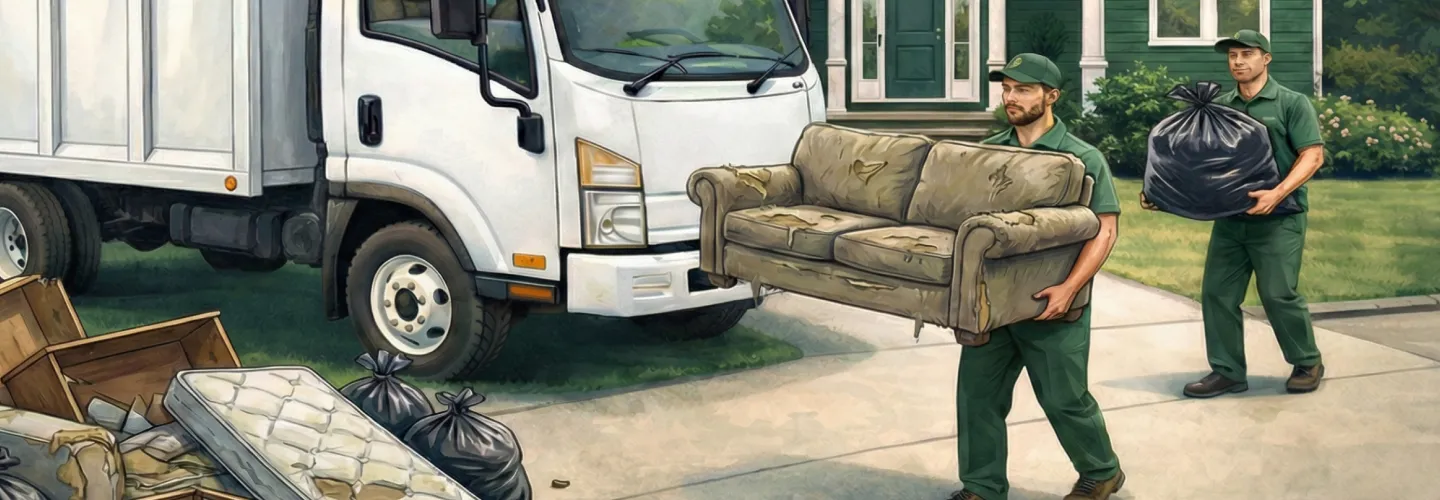
Dallas Appliance Removal Services
Choose us for hassle-free appliance removal—our experienced team ensures safe, eco-friendly disposal and same-day service, making it easy to clear out your unwanted appliances with confidence.
Get a Free QuoteOur Dallas Junk Removal Services
Appliance Removal in Dallas, GA – Local Service Guide
Appliance removal in Dallas, GA is a common need for homeowners and businesses, especially during seasonal upgrades, property renovations, or when replacing outdated units. In neighborhoods like Seven Hills and Cedarcrest, residents often schedule appliance pickups during spring cleaning or after major storms, when garages and basements are cleared out. Local disposal options include donation to area charities, recycling at approved centers, or arranging for municipal bulk pickup. For larger items or homes with limited driveway access, coordinating with removal teams is essential, especially during rainy seasons when weather can impact logistics. Commercial properties in downtown Dallas and along Merchants Drive face unique challenges, such as after-hours removal to minimize business disruption and handling higher volumes from restaurants or offices. Specialty projects, like estate cleanouts or construction debris removal, require advance planning and may involve coordination with city services. For guidance on local disposal rules and scheduling, consult the Dallas Public Works Department.
Key Considerations for Appliance Removal in Dallas
- Timing removals around seasonal cleanouts or property upgrades
- Checking for required permits or city guidelines
- Choosing proper disposal or recycling channels
- Ensuring easy access for removal teams, especially in tight neighborhoods
- Estimating volume for efficient scheduling
- Coordinating with city services for specialty or large-scale projects
Benefits of Appliance Removal in Dallas
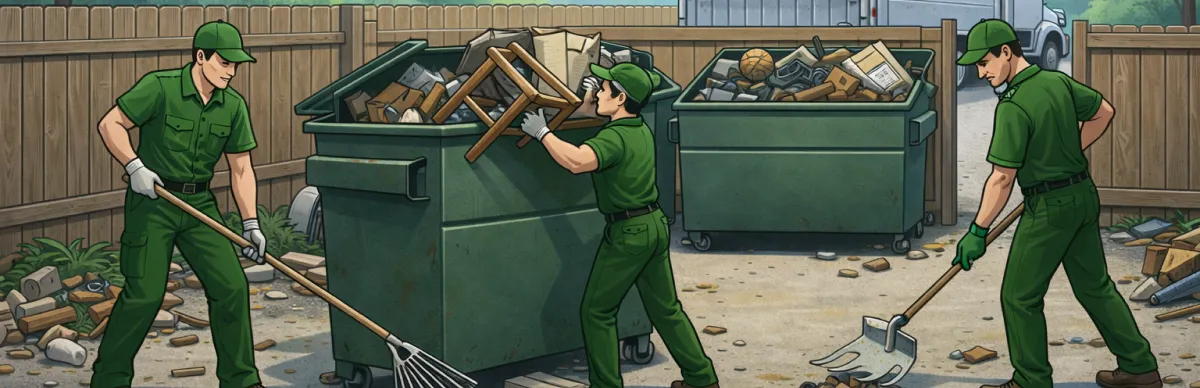
Fast and Reliable Service
Eco-Friendly Disposal
Licensed and Insured Team
Upfront Transparent Pricing
Convenient Scheduling Options
Safe Appliance Handling
Coordinating Appliance Removal with Dallas's Public Works and Solid Waste Services
Residents of Dallas, GA, must follow municipal guidelines when disposing of large household appliances such as refrigerators, washing machines, dryers, dishwashers, and water heaters. The City of Dallas Public Works Department oversees infrastructure services that include coordination of waste-related operations within city limits. Before placing any appliance at the curb or arranging for removal, residents should confirm current collection policies and scheduling requirements directly with the city.
- Eligible appliances typically include refrigerators, freezers, stoves, ovens, dishwashers, washers, dryers, and water heaters
- Scheduling is generally required in advance for bulky item collection; do not place appliances curbside without confirmation
- Preparation may include disconnecting water, gas, and electrical lines before removal
- Doors on refrigerators and freezers must be removed or securely taped shut to prevent child entrapment hazards
- Curbside placement should not obstruct sidewalks, fire hydrants, or drainage infrastructure
Paulding County, in which Dallas is located, may also offer periodic collection events or transfer station access for large appliance disposal. Residents should verify accepted items and any associated fees before transporting appliances independently.
Dallas Public Works Department
116 Merchant Square, Dallas, GA 30132
Phone: (770) 443-8110
Official Website: Dallas Public Works Department
Georgia's Solid Waste Management Act and Appliance Disposal Compliance
Georgia's regulatory framework for solid waste disposal is governed by the Georgia Comprehensive Solid Waste Management Act (O.C.G.A. § 12-8-20 et seq.), administered by the Georgia Environmental Protection Division (GA EPD). This legislation establishes standards for the collection, transportation, and disposal of solid waste, including large household appliances classified as "white goods." Dallas residents and haulers must comply with both state and local requirements when removing appliances.
- White goods (refrigerators, freezers, air conditioners, dehumidifiers) containing refrigerants require special handling before landfill disposal
- Refrigerant recovery is mandated under EPA Section 608 regulations, requiring certified technicians to extract chlorofluorocarbons (CFCs) and hydrochlorofluorocarbons (HCFCs) before scrapping
- Capacitors in older appliances may contain polychlorinated biphenyls (PCBs), classified as hazardous waste under federal law
- Scrap metal components from appliances are recyclable and should be diverted from landfills where possible
- Illegal dumping of appliances carries penalties under Georgia law, including fines and potential criminal charges
The GA EPD oversees compliance at the county and municipal level, and Paulding County solid waste facilities must adhere to state permitting requirements for accepting white goods.
Refrigerant Recovery and Hazardous Material Handling for Dallas Appliance Disposal
Appliances containing refrigerants—including refrigerators, freezers, window air conditioning units, and dehumidifiers—require specialized handling before they can be recycled or disposed of in Dallas, GA. Federal law under the Clean Air Act and EPA Section 608 prohibits the venting of refrigerants into the atmosphere. Only EPA-certified technicians may recover refrigerants from appliances prior to disposal or recycling.
- Covered refrigerants include CFC-12, HCFC-22, HFC-134a, and other regulated substances
- Certification requirement: technicians must hold EPA Section 608 Type I or Universal certification
- Mercury switches found in older chest freezers and pre-2006 appliances must be removed and handled as hazardous waste
- Compressor oil may contain dissolved refrigerants and should be managed by qualified personnel
- Documentation: certified recovery records should be maintained for regulatory compliance
Residents should not attempt to remove refrigerants independently, as improper handling poses environmental and health risks. For hazardous materials questions, Paulding County Fire Rescue provides guidance on proper handling and emergency response protocols.
Paulding County Fire Rescue
240 Constitution Boulevard, Dallas, GA 30132
Phone: (770) 443-7580
Official Website: Paulding County Fire Rescue
Dallas Code Enforcement and Property Standards for Appliance Storage and Removal
The City of Dallas enforces municipal codes and ordinances that address the storage and disposal of discarded appliances on residential and commercial properties. Abandoned or improperly stored appliances on a property may constitute a code violation, potentially resulting in enforcement action. The Dallas Marshal's Office oversees code enforcement and investigates property violations to support neighborhood preservation and public safety.
- Outdoor storage of non-functioning appliances is generally prohibited on residential properties within city limits
- Appliances awaiting removal should be stored in enclosed areas (garages, sheds) rather than in yards or driveways
- Child safety hazards: abandoned refrigerators and freezers with attached doors violate safety standards and may trigger immediate enforcement
- Timeframes: once a code violation notice is issued, property owners typically have a defined period to achieve compliance
- Renovation projects generating appliance waste may require coordination with the Dallas Community Development Department for building permits if structural modifications are involved
Residents who observe illegally dumped appliances on public or private property may report concerns to the city's code enforcement division.
Dallas Code Enforcement (Marshal's Office)
116 Merchant Square, Dallas, GA 30132
Phone: (770) 443-8110
Official Website: Dallas Code Ordinances
Appliance Recycling and Scrap Metal Recovery Options in the Dallas Area
Recycling household appliances diverts significant volumes of recoverable materials from landfills and supports Georgia's waste reduction objectives. Most large appliances are composed primarily of steel, aluminum, copper, and other metals that retain substantial recycling value. Dallas residents are encouraged to explore recycling and donation options before resorting to landfill disposal.
- Steel and iron from washers, dryers, stoves, and water heaters are accepted at scrap metal recycling facilities throughout the Paulding County area
- Copper wiring and tubing found in HVAC units and water heaters has high recovery value
- Working appliances in good condition may be donated to charitable organizations such as Habitat for Humanity ReStore locations in the greater metro Atlanta area
- Utility rebate programs: Georgia Power and other utilities periodically offer appliance recycling programs that include free pickup of qualifying old refrigerators and freezers
- E-waste components: appliances with electronic control boards should have those components separated for proper electronics recycling where facilities exist
The Georgia Environmental Protection Division maintains resources on solid waste reduction and recycling programs available to municipalities across the state, including guidance applicable to Paulding County and Dallas.
What Neighborhoods Do We Serve Throughout Dallas, GA?
- Downtown Dallas Historic District: Older homes and commercial buildings near the courthouse square may present narrow access points and require careful navigation for large appliance removal. Properties in this area may also fall under historic preservation considerations when exterior work is involved.
- Brookmont / Dallas Highway Corridor: A mix of established single-family homes and newer subdivisions along the GA-120 corridor. Wide driveways and standard residential lot sizes generally allow straightforward truck access for appliance pickup.
- Seven Hills: This master-planned community features single-family homes with HOA regulations that may govern curbside placement of appliances and scheduling of removal vehicles. Advance coordination with community management is recommended.
- Paulding County Unincorporated Areas (Near Dallas): Rural and semi-rural properties surrounding Dallas city limits often have longer driveways and unpaved surfaces. Heavier appliances like cast-iron tubs or commercial-grade equipment may require specialized equipment for removal.
- Villa Rica Road Corridor: Residential neighborhoods along this route include a mix of older ranch-style homes and newer construction. Older properties may contain appliances with outdated refrigerants or mercury components requiring certified handling.
- Merchants Drive Commercial Area: Commercial properties and retail spaces in this district may require coordination with the Dallas Building Permits office when appliance removal is part of a larger renovation or tenant turnover project.