
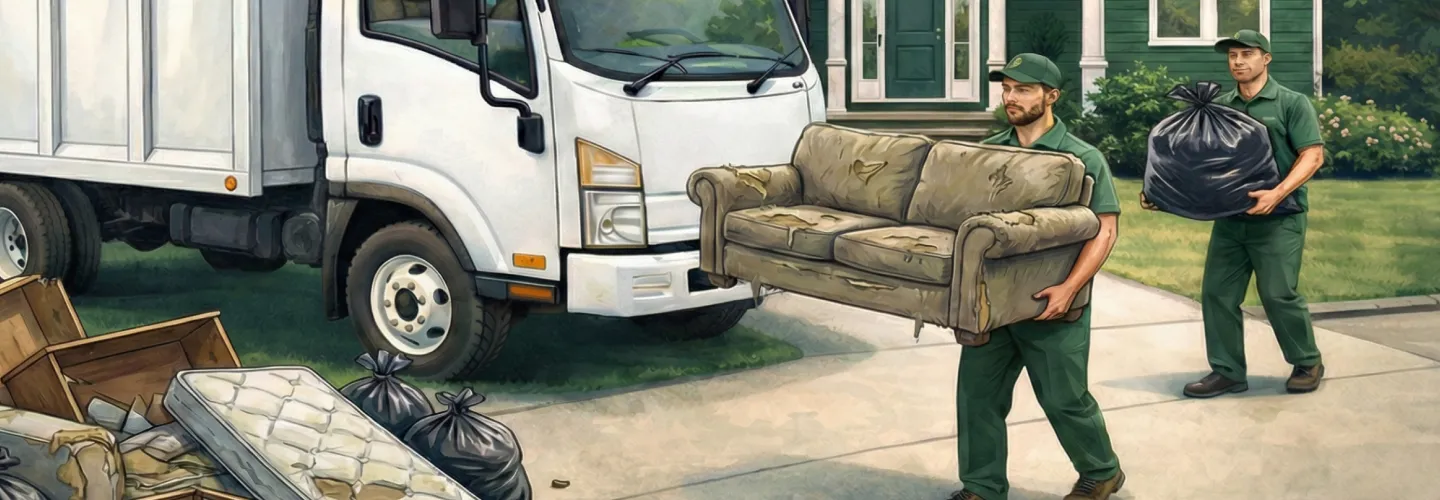
Dallas Regular Trash Pickup Services
Choose our Regular Trash Pickup for dependable, hassle-free service that keeps your home and neighborhood clean—enjoy peace of mind knowing your waste is managed by trusted local professionals.
Get a Free QuoteOur Dallas Junk Removal Services
Regular Trash Pickup in Dallas, GA – Local Service Guide
Regular trash pickup in Dallas, GA is essential for maintaining clean, safe neighborhoods like Seven Hills and Cedarcrest. Residents often schedule pickups during spring cleanouts, after storms, or when replacing large items such as mattresses or appliances. In areas with heavy tree coverage or near Pumpkinvine Creek, yard waste and debris can accumulate quickly, requiring more frequent service. For residential items—furniture, electronics, or even hot tubs—options include donation, recycling, or city-approved disposal. Access and weather can affect logistics, especially for oversized items or in flood-prone zones.
Commercial properties in downtown Dallas or along Merchants Drive have unique needs, from discreet office cleanouts to high-volume restaurant waste. Specialty pickups, such as for construction debris or estate cleanouts, require advance planning and coordination, particularly in historic districts or during property transitions. For all categories, understanding local schedules and rules is key—see the Dallas Public Works Department for official guidelines.
Benefits of Regular Trash Pickup in Dallas
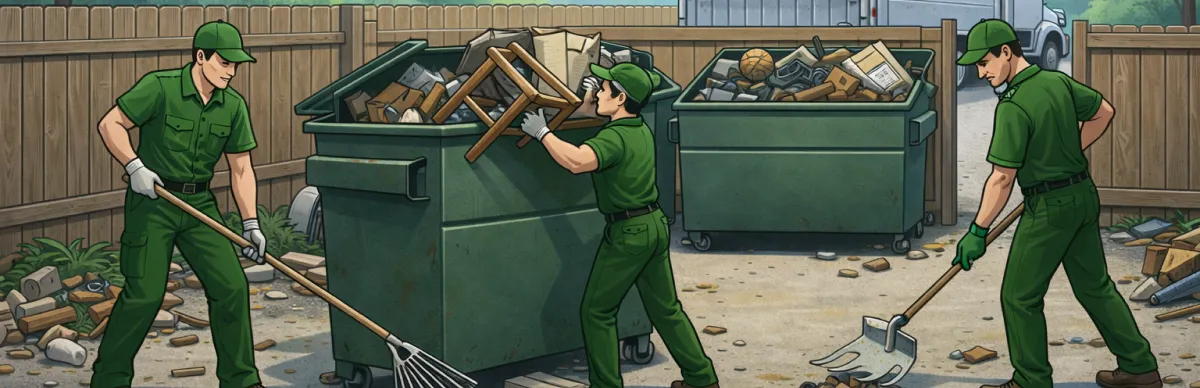
Consistent Waste Removal
Improved Neighborhood Cleanliness
Reliable Scheduling
Enhanced Curb Appeal
Eco-Friendly Disposal
Time and Effort Savings
Coordinating Weekly Trash Collection with Dallas Public Works Department Services
Regular trash pickup in Dallas, GA, is managed through the city's contracted waste hauling services, coordinated by the Dallas Public Works Department. Residents within city limits receive curbside collection on a designated weekly schedule determined by their street or neighborhood zone. Proper participation requires adherence to several municipal guidelines:
- Cart placement: Roll carts must be placed at the curb by 6:00 AM on the scheduled collection day and removed within 24 hours after pickup
- Lid closure: All waste must fit inside the provided cart with the lid fully closed; overflow items beside the cart may not be collected
- Prohibited curbside items: Hazardous waste, construction debris, automotive fluids, and electronics must not be placed in regular trash carts
- Missed pickups: Residents should contact the contracted hauler or the Public Works Department promptly if a scheduled collection is missed
Understanding your assigned collection day and following cart placement rules helps ensure consistent, uninterrupted service throughout the year.
Dallas Public Works Department
181 Main Street, Dallas, GA 30132
Phone: (770) 443-8110
Official Website: Dallas Public Works Department
Georgia Solid Waste Management Act Compliance for Dallas Residents
All residential trash disposal in Dallas must comply with the Georgia Comprehensive Solid Waste Management Act (O.C.G.A. § 12-8-20) administered by the Georgia Environmental Protection Division (GA EPD). This state law establishes the regulatory framework governing how municipalities collect, transport, and dispose of solid waste. Dallas residents should be aware of the following compliance requirements:
- Illegal dumping prohibition: Disposing of household waste on vacant lots, roadsides, or waterways violates state law and local code ordinances, carrying fines up to $1,000 per occurrence
- Burning restrictions: Open burning of household garbage is prohibited under Georgia EPD air quality regulations
- Waste separation: Hazardous materials such as paint, pesticides, batteries, and motor oil must be separated from regular trash and disposed of through approved channels
- Hauler licensing: All commercial waste haulers operating within Dallas must maintain proper state permits and local business licensing
Paulding County periodically hosts Household Hazardous Waste collection events where residents can safely dispose of chemicals, paints, and other restricted materials free of charge. Contact the GA EPD or Paulding County government for upcoming event schedules.
Georgia Environmental Protection Division
2 Martin Luther King Jr. Drive SE, Suite 1456, Atlanta, GA 30334
Phone: (404) 656-4713
Official Website: Georgia Environmental Protection Division
Prohibited Materials and Proper Sorting Requirements for Dallas Trash Collection
Dallas residents must ensure that only approved household waste enters the regular trash stream. Placing prohibited items in curbside carts can result in refused collection, code enforcement action, and potential environmental contamination. The following materials require alternative disposal methods:
- Electronics (e-waste): Televisions, computers, monitors, and peripherals should not be placed in regular trash; use county or regional e-waste recycling drop-off events
- Appliances with refrigerants: Refrigerators, freezers, and air conditioning units require certified refrigerant recovery per EPA Section 608 regulations before disposal
- Tires: Most Georgia landfills restrict tire disposal; tire retailers and recycling facilities accept used tires, often for a small per-tire fee
- Yard waste: Grass clippings, leaves, and branches should be separated from household trash and placed in designated yard waste bags or containers per local collection guidelines
- Medical sharps: Needles and syringes must be placed in puncture-resistant containers and disposed of through pharmacy takeback programs or approved medical waste facilities
Proper sorting protects sanitation workers, prevents landfill contamination, and ensures compliance with both municipal and state disposal regulations.
Dallas Code Enforcement Standards for Curbside Waste and Property Maintenance
The City of Dallas enforces property maintenance and waste storage standards through its Code Ordinances division. These regulations directly affect how residents store, present, and manage household trash between collection days. Violations can result in written notices, fines, and mandatory corrective action. Key code requirements include:
- Cart storage: Trash carts should be stored out of public view between collection days, typically behind the front building line or in a screened area
- Accumulation prohibition: Allowing garbage, debris, or refuse to accumulate on residential property beyond normal collection cycles constitutes a code violation
- Bulk items: Large items such as furniture, mattresses, and appliances require separate scheduling with the waste hauler and must not be left curbside indefinitely
- Animal-resistant containers: Carts must remain closed and secured to prevent wildlife from scattering waste, which can trigger nuisance complaints
Residents who observe persistent waste accumulation or illegal dumping on neighboring properties may report concerns to Dallas Code Enforcement for investigation.
Dallas Code Enforcement
181 Main Street, Dallas, GA 30132
Phone: (770) 443-8110
Official Website: Dallas Code Ordinances
Recycling Opportunities and Landfill Diversion Resources in Paulding County
While Dallas's regular trash pickup focuses on non-recyclable household waste, residents are encouraged to participate in recycling programs that reduce landfill burden. Paulding County provides recycling drop-off locations where residents can bring sorted materials at no charge. Accepted recyclable materials typically include:
- Paper and cardboard: Flattened corrugated boxes, newspapers, magazines, and office paper
- Plastics: Bottles and containers marked with recycling codes #1 and #2
- Metals: Aluminum cans, steel food cans, and clean tin containers
- Glass: Clear, green, and brown glass bottles and jars (check local acceptance)
The Dallas Community Development department can direct residents to the nearest recycling drop-off sites and provide information about special collection events. Georgia does not currently mandate curbside recycling for municipalities of Dallas's size, but voluntary participation supports the state's waste reduction goals outlined in the Georgia Comprehensive Solid Waste Management Plan. Scrap metal, automotive batteries, and used motor oil are accepted at most auto parts retailers and recycling yards throughout the county.
What Neighborhoods Do We Serve Throughout Dallas, GA?
- Downtown Dallas Historic District: Older homes and commercial buildings along the courthouse square feature narrow lot lines and limited side-yard access. Residents should confirm cart placement locations that do not obstruct sidewalks or historic district pedestrian areas.
- Merchants Drive Corridor: A mix of single-family subdivisions and townhome communities with standard driveway access. Newer developments in this area typically have HOA guidelines governing cart storage and curbside presentation between collection days.
- Hardee Street and West Memorial Drive Area: Established residential neighborhoods with mature tree canopy and narrower streets. Overhanging branches and on-street parking can occasionally affect collection truck access; residents should keep cart areas clear of obstructions.
- Dallas-Acworth Highway Vicinity: Properties along this corridor include both residential and light commercial uses. Commercial tenants must arrange separate waste hauling contracts and cannot use residential curbside collection services.
- Brookmont and Confederate Avenue Neighborhoods: Quiet residential streets with single-family homes on larger lots. Yard waste generation tends to be higher in these areas due to larger properties, requiring consistent separation from regular household trash.
- Paulding County Unincorporated Areas Near Dallas: Homes just outside city limits may not receive the same contracted trash service and should verify their collection provider and schedule through Paulding County government offices.