
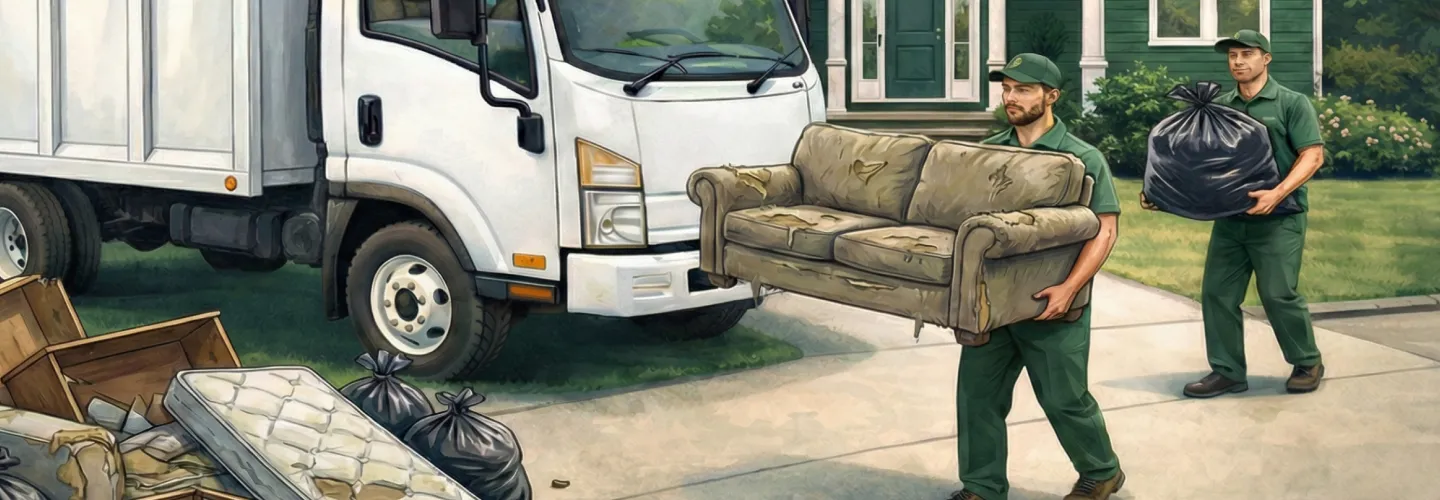
Dallas Yard Waste Removal Services
Choose our Yard Waste Removal for fast, eco-friendly service that keeps your property spotless and your weekends worry-free—let us handle the mess so you can enjoy your outdoor space.
Get a Free QuoteOur Dallas Junk Removal Services
Yard Waste Removal in Dallas, GA – Local Service Guide
Yard waste removal in Dallas, GA is essential for maintaining curb appeal and property health, especially in neighborhoods like Seven Hills and Cedarcrest. Seasonal cleanups are common after spring storms or during fall leaf drop, while regular yard maintenance in areas with heavy tree coverage, such as Oakleigh, can generate significant debris. Homeowners often need removal services after landscaping projects, storm damage, or when preparing for property sales. Options for disposal include curbside pickup, local recycling centers, or arranging for professional haulers who understand Dallas’s local ordinances and weather patterns. For larger items like branches or storm debris, access and volume can affect logistics, especially during wet seasons when yard access may be limited.
Commercial properties in Dallas, such as those near Main Street or the business district, require timely and discreet yard waste solutions to maintain a professional appearance. Specialty projects—like construction debris removal or estate cleanouts—demand careful planning and coordination with local guidelines. For more information on local rules and resources, visit the Dallas Public Works Department.
Key Considerations for Yard Waste Removal in Dallas
- Timing seasonal cleanups around storms and yard cycles
- Checking for required permits or city guidelines
- Choosing proper disposal or recycling channels
- Ensuring easy access for removal vehicles
- Estimating volume for efficient scheduling
- Coordinating with local haulers for category-specific items
Benefits of Yard Waste Removal in Dallas
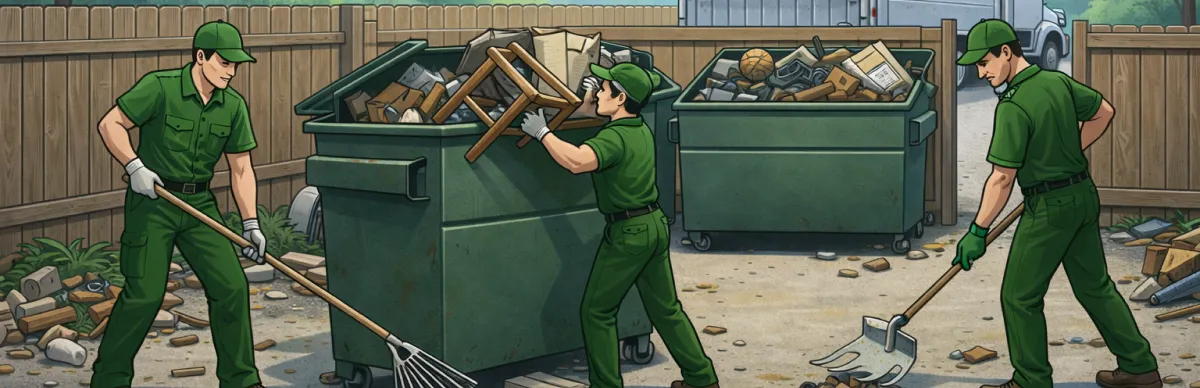
Fast Yard Waste Pickup
Eco-Friendly Disposal
Affordable Service Rates
Licensed and Insured Team
Flexible Scheduling Options
Comprehensive Cleanup Solutions
Coordinating Yard Waste Disposal with Dallas Public Works and Paulding County Services
Residents of Dallas, Georgia, must follow municipal and county guidelines when disposing of yard waste such as grass clippings, leaves, branches, and brush. The City of Dallas operates within Paulding County, and yard waste collection is typically managed through contracted haulers or self-hauling to designated facilities. Proper preparation of yard waste is essential for curbside collection compliance:
- Branches and limbs must generally be cut to lengths no longer than four feet and bundled or stacked neatly at the curb
- Grass clippings and leaves should be placed in biodegradable paper bags or approved containers — plastic bags are typically prohibited for organic yard waste
- Stumps, root balls, and large logs exceeding size or weight limits may require separate hauling arrangements
- Dirt, rocks, and sod are generally not accepted as yard waste and must be disposed of separately
Contact the Dallas Public Works Department for current collection schedules and accepted material specifications.
Dallas Public Works Department
174 Hardee Street, Dallas, GA 30132
Phone: (770) 443-8110
Official Website: Dallas Public Works Department
Georgia Solid Waste Management Act Requirements for Yard Waste Disposal
Georgia state law governs the handling and disposal of yard waste through the Georgia Comprehensive Solid Waste Management Act (O.C.G.A. § 12-8-20). This legislation establishes standards for waste reduction, recycling, and proper disposal that directly affect how Dallas residents manage organic debris. Key state-level requirements include:
- Yard trimmings landfill ban: Georgia prohibits the disposal of yard trimmings — including leaves, brush, grass clippings, and similar organic materials — in municipal solid waste landfills
- Composting encouraged: The state promotes composting as the preferred method for managing yard waste, reducing landfill volume and supporting soil health
- Illegal dumping penalties: Disposing of yard waste in unauthorized locations, including vacant lots, waterways, or roadsides, may result in fines and code enforcement action
- Burning restrictions: Open burning of yard waste is regulated by the Georgia Environmental Protection Division (GA EPD) and local fire ordinances; permits may be required depending on location and season
Residents should verify local burn permit requirements with Paulding County Fire Rescue before conducting any open burning of yard debris.
Georgia Environmental Protection Division
2 Martin Luther King Jr. Drive SE, Suite 1456, Atlanta, GA 30334
Phone: (404) 656-4713
Official Website: Georgia Environmental Protection Division
Dallas Code Enforcement Standards for Yard Waste Accumulation and Property Maintenance
The City of Dallas enforces property maintenance codes that directly affect how yard waste must be managed on residential and commercial properties. Accumulated yard debris left uncollected can result in code violations, particularly when it creates health hazards, obstructs drainage, or attracts pests. The Dallas Code Ordinances office investigates complaints and enforces compliance through the following standards:
- Overgrown vegetation: Properties must be maintained to prevent excessive weed growth and accumulation of dead plant material
- Debris piles: Yard waste piles left at the curb beyond scheduled collection windows may trigger violation notices
- Stormwater obstruction: Leaves, branches, and clippings must not block storm drains, ditches, or drainage easements, as this can cause flooding and violate stormwater management regulations
- Right-of-way clearance: Vegetation and yard waste must not encroach on public sidewalks, roadways, or utility easements
Property owners who receive violation notices should contact the City Marshal's office to understand remediation timelines and avoid escalating penalties.
Dallas Code Enforcement (City Marshal's Office)
174 Hardee Street, Dallas, GA 30132
Phone: (770) 443-8110
Official Website: Dallas Code Ordinances
Dallas City Tree Board Guidelines and Tree Canopy Preservation During Yard Waste Removal
When yard waste removal involves tree trimming, pruning, or removal of fallen trees, Dallas residents should be aware of the city's urban forestry guidelines. The Dallas City Tree Board provides guidance on tree preservation and proper management of tree-related yard waste. Important considerations include:
- Protected trees: Certain species or trees within public rights-of-way may require approval before removal or significant pruning
- Storm damage debris: After severe weather events, large volumes of tree debris may overwhelm regular collection; residents should monitor city announcements for emergency collection schedules
- Wood waste recycling: Large branches and trunk sections can often be chipped for mulch rather than sent to disposal facilities, supporting the state's landfill diversion goals
- Contractor requirements: Tree service companies operating in Dallas should carry appropriate insurance and comply with city business licensing requirements through Dallas Community Development
Residents planning significant tree work should consult the City Tree Board for guidance on preservation requirements and proper disposal of resulting yard waste.
Sorting, Composting, and Recycling Options for Yard Waste in Dallas
Dallas residents have several environmentally responsible options for managing yard waste beyond curbside collection. Georgia's landfill ban on yard trimmings makes proper sorting and diversion essential. The EPA Region 4 office, which oversees Georgia, encourages communities to maximize organic waste diversion through composting and mulching programs. Recommended practices include:
- Backyard composting: Leaves, grass clippings, and small plant trimmings can be composted on-site to produce nutrient-rich soil amendments; avoid composting diseased plant material or invasive species
- Mulching mowers: Using mulching attachments returns grass clippings directly to the lawn, reducing waste volume and providing natural fertilization
- Separation requirements: Yard waste must be kept separate from household trash, recyclables, construction debris, and hazardous materials such as pesticide containers or treated lumber
- Prohibited materials: Chemically treated wood, painted lumber, and pressure-treated landscape timbers are not classified as yard waste and must be disposed of through appropriate solid waste channels
Contact Dallas Public Works for information on local composting resources and approved yard waste drop-off locations in the Paulding County area.
What Neighborhoods Do We Serve Throughout Dallas, GA?
- Downtown Dallas Historic District: Older properties near the courthouse square often feature mature trees generating significant leaf and branch debris. Narrow lot lines and limited curb space require careful staging of yard waste for collection, and historic preservation considerations may apply to tree removal.
- Brookmont / Dallas Brookmont Area: Established single-family neighborhoods with large wooded lots produce substantial seasonal yard waste. Sloped terrain and longer driveways may require hauling debris to the curb rather than relying on backyard pickup access.
- Seven Hills: This residential community features well-maintained landscaping with HOA standards that may dictate yard waste storage and removal timelines. Residents should coordinate with community management regarding debris placement near common areas.
- Paulding County Unincorporated Areas Near Dallas: Properties bordering the city limits may fall under county rather than municipal jurisdiction for waste services. Larger rural lots often generate higher volumes of brush and tree debris, requiring self-hauling to county-approved facilities.
- Villa Rica Highway Corridor: Mixed residential and commercial properties along this corridor must manage yard waste in compliance with both city codes and commercial property maintenance standards. Access for removal vehicles is generally straightforward due to wider road frontage.
- Merchants Drive / Industrial Parkway Area: Commercial and light-industrial properties in this zone must ensure landscape maintenance waste is properly separated from business waste streams and disposed of in accordance with commercial solid waste regulations.