
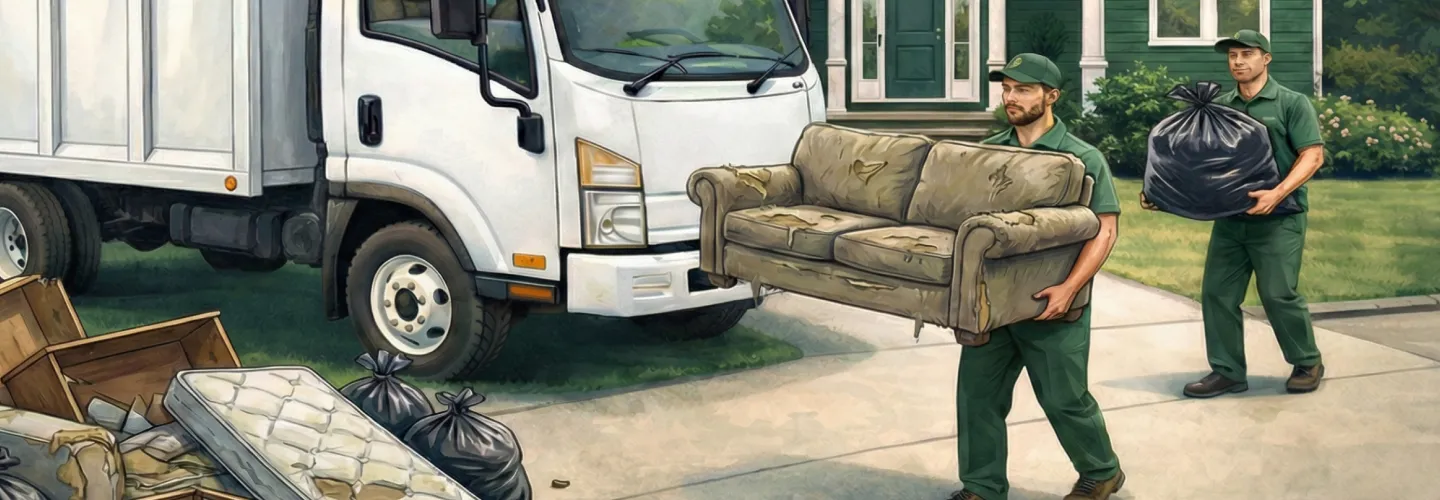
Dallas Retail Stores Junk Removal Services
Choose our Retail Stores Junk Removal for fast, professional service that keeps your business clutter-free and running smoothly—so you can focus on what matters most: your customers.
Get a Free QuoteOur Dallas Junk Removal Services
Retail Stores Junk Removal in Dallas, GA – Local Service Guide
Retail stores in Dallas, GA, face unique junk removal challenges, from seasonal inventory changes to store renovations and ongoing operations. In busy areas like Merchants Drive and the Dallas Commons, retail managers often need prompt removal of outdated fixtures, packaging waste, and bulk items. Timing is crucial—many stores schedule junk removal after major sales events or during store refreshes to minimize disruption. Local disposal options include recycling centers and donation partners, but Dallas retailers must also comply with city regulations for commercial waste. Access can be a concern in shopping plazas with limited loading zones, and weather can impact scheduling, especially during summer storms. For larger projects, such as store closures or remodels, coordination with property management and adherence to local ordinances is essential. For more on local rules and resources, visit the Dallas Public Works Department.
Key Considerations for Retail Stores Junk Removal in Dallas
- Schedule removals during off-peak hours to avoid customer disruption
- Check for required permits and city disposal guidelines
- Use approved recycling and donation channels for eligible items
- Plan for limited access in busy retail centers like West Memorial Drive
- Estimate junk volume accurately for efficient service
- Coordinate with property managers for large-scale cleanouts
Benefits of Retail Stores Junk Removal in Dallas

Fast and Reliable Service
Eco-Friendly Disposal Solutions
Experienced Junk Removal Team
Flexible Scheduling Options
Comprehensive Cleanout Services
Transparent Upfront Pricing
Coordinating Retail Store Cleanout Waste with Dallas, GA Public Works Services
Retail store junk removal in Dallas, GA, requires coordination with municipal waste management services to ensure proper disposal of commercial fixtures, shelving, signage, and general store debris. The Dallas Public Works Department oversees infrastructure services including stormwater management and utility operations that may be affected by large-scale retail cleanout projects. Retail store owners and property managers should be aware of the following considerations before initiating removal:
- Commercial waste generated from retail store cleanouts is typically not eligible for residential curbside collection programs
- Bulk items such as display cases, counters, and shelving units require coordination with licensed commercial haulers
- Stormwater compliance must be maintained during loading operations to prevent debris from entering storm drains
- Operating hours for removal activities should align with local noise ordinances and neighboring business schedules
Retail operators should contact the Public Works Department to confirm disposal routing and any applicable municipal requirements before scheduling removal services.
Dallas Public Works Department
116 Main Street, Dallas, GA 30132
Phone: (770) 443-8110
Official Website: Dallas Public Works Department
Dallas Building Permits and Code Compliance for Retail Fixture Removal Projects
Retail store junk removal projects in Dallas that involve structural modifications—such as removing built-in shelving, wall-mounted display systems, or interior partitions—may require building permits through the Dallas Community Development department. The Dallas Building Permits office handles construction plan review, inspections, and code compliance for both residential and commercial properties. Key regulatory considerations include:
- Demolition permits may be required when removing permanently installed retail fixtures that affect structural elements or electrical systems
- Asbestos surveys are recommended for buildings constructed before 1980, as older retail spaces may contain asbestos in floor tiles, ceiling materials, or insulation
- Lead paint assessments should be conducted in pre-1978 structures per the EPA Renovation, Repair, and Painting Rule
- Electrical disconnection must be performed by a licensed electrician before removing illuminated signage or wired display cases
The Dallas Code Ordinances office enforces property maintenance standards and investigates violations related to improper debris storage or disposal on commercial properties.
Dallas Community Development Department
116 Main Street, Dallas, GA 30132
Phone: (770) 443-8110
Official Website: Dallas Community Development
Georgia Solid Waste Management Requirements for Retail Store Disposal Materials
Retail store junk removal in Dallas must comply with Georgia's solid waste regulations administered by the Georgia Environmental Protection Division (GA EPD). The Georgia Comprehensive Solid Waste Management Act establishes the framework for proper handling, transportation, and disposal of commercial waste generated during retail store cleanouts. Retail-specific materials require careful classification:
- Electronic point-of-sale equipment, security systems, and display monitors should be directed to certified e-waste recyclers rather than landfill disposal
- Fluorescent lighting fixtures commonly found in retail spaces contain mercury and are classified as universal waste under EPA RCRA regulations, requiring special handling
- Refrigerated display cases from grocery or convenience retail stores require refrigerant recovery by EPA Section 608-certified technicians before disposal
- Treated wood shelving and fixtures may contain chemical preservatives that restrict disposal options
- Cardboard, metal shelving, and packaging materials should be separated for recycling to support Georgia's waste diversion goals
Commercial haulers transporting retail store waste in Paulding County must maintain proper solid waste handling permits issued through the state. GA EPD oversees enforcement of disposal facility compliance and illegal dumping investigations.
Georgia Environmental Protection Division
2 Martin Luther King Jr. Drive SE, Suite 1456, Atlanta, GA 30334
Phone: (404) 656-4713
Official Website: Georgia Environmental Protection Division
Recycling and Donation Options for Dallas Retail Store Fixtures and Equipment
Retail store cleanouts in Dallas generate significant volumes of reusable materials that can be diverted from landfills through recycling and donation programs. Responsible material recovery reduces disposal costs and supports environmental stewardship within the Paulding County community. Retail store operators should consider the following diversion strategies:
- Metal shelving and racking systems are accepted by scrap metal recyclers throughout the greater Atlanta metropolitan area; steel and aluminum fixtures retain commodity value
- Functional display cases, counters, and furniture may be donated to organizations such as Habitat for Humanity ReStore locations, which accept commercial furnishings for resale
- Cardboard and packaging materials should be broken down and separated for recycling; Paulding County offers recycling drop-off options for corrugated cardboard
- Electronic equipment including registers, monitors, and security hardware should be processed through certified e-waste recyclers to ensure data destruction and proper material recovery
- Glass display cases and mirrors require careful handling and may be accepted by specialty glass recyclers
Prioritizing material separation before removal reduces overall waste volume and ensures compliance with Georgia's waste reduction objectives established through the state's solid waste management planning process.
Safety and Hazardous Material Handling During Dallas Retail Store Cleanouts
Retail store junk removal projects in Dallas present specific safety challenges that require adherence to OSHA workplace safety standards and proper hazardous material protocols. Older retail buildings in the Dallas area may contain materials requiring specialized handling procedures. Key safety considerations include:
- Asbestos-containing materials such as vinyl floor tiles, ceiling tiles, and pipe insulation found in pre-1980 retail buildings must be identified through professional surveys before disturbance; licensed abatement contractors are required for friable asbestos removal
- Heavy fixture removal including commercial refrigeration units, steel shelving systems, and stone countertops requires proper lifting equipment and trained personnel to prevent injury
- Chemical products remaining in retail spaces—including cleaning supplies, paint, adhesives, and aerosol cans—are classified as hazardous waste and cannot be disposed of through standard waste streams
- Broken glass from display cases and mirrors requires puncture-resistant containers for safe transport
- Electrical hazards must be addressed by disconnecting power to all circuits serving fixtures before removal begins
Paulding County Fire Rescue provides hazardous materials response services and can be contacted regarding emergency situations involving unknown chemical substances discovered during retail store cleanouts.
Paulding County Fire Rescue
Phone: (770) 443-4000
Official Website: Paulding County Fire Rescue
What Neighborhoods Do We Serve Throughout Dallas, GA?
- Downtown Dallas: The historic commercial core along Main Street features older retail storefronts with narrow entryways and limited rear access. Removal crews should coordinate with the city regarding right-of-way usage for loading on public streets during business hours.
- Dallas Historic District: Retail properties in this area may be subject to additional review through the Dallas Planning Commission when exterior modifications accompany fixture removal. Older building construction increases the likelihood of encountering lead paint or asbestos materials.
- Highway 61 Commercial Corridor: Strip malls and standalone retail buildings along this corridor generally offer ample parking lot access and rear loading areas, facilitating efficient removal of large fixtures and equipment.
- Merchants Drive Area: Mixed commercial and residential zones require attention to noise ordinances and scheduling removal activities during standard business hours to minimize neighborhood disruption.
- Buchanan Highway Corridor: Newer retail developments along this route typically feature wider access points and modern construction, reducing concerns about hazardous building materials but requiring coordination with adjacent business operations during cleanout projects.
- Confederate Avenue Area: Smaller retail spaces in this neighborhood may present tight interior layouts requiring disassembly of fixtures before removal, with limited street parking for service vehicles.