
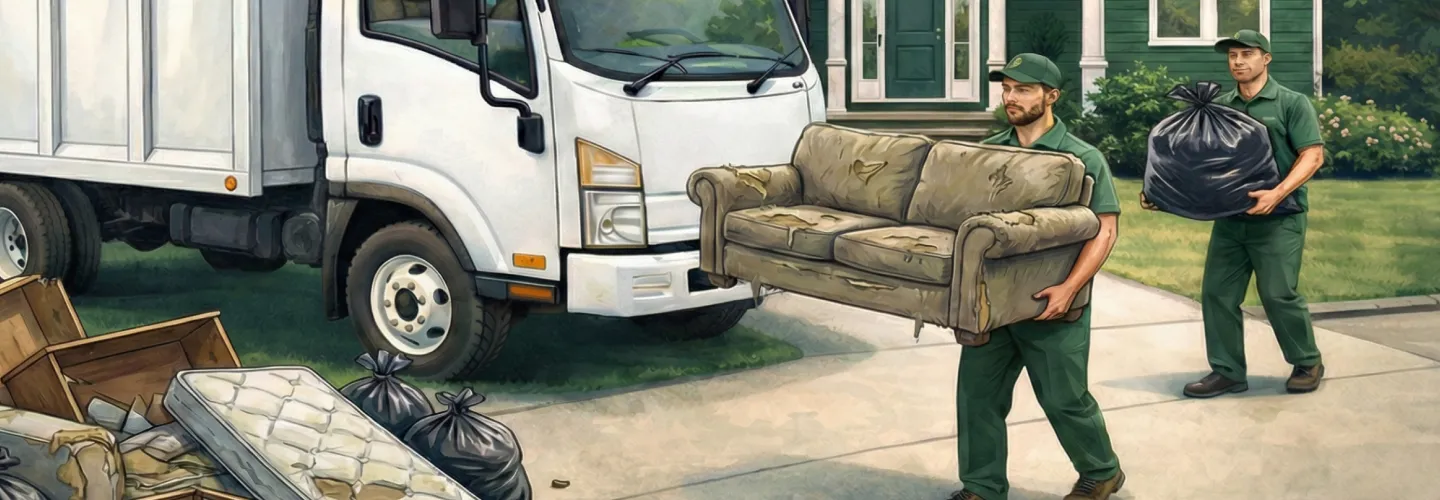
Dallas Construction Debris Removal Services
Choose our construction debris removal for fast, reliable service that keeps your site safe, compliant, and clutter-free—so you can focus on building, not cleaning.
Get a Free QuoteOur Dallas Junk Removal Services
Construction Debris Removal in Dallas, GA – Local Service Guide
Construction debris removal in Dallas, GA is essential for keeping homes, businesses, and neighborhoods clean and safe. In residential areas like Seven Hills and Cedarcrest, debris often accumulates during home renovations, appliance upgrades, or seasonal cleanouts. Residents may need removal services after storms, during spring cleaning, or when replacing large items such as furniture or hot tubs. Local options include donation, recycling, or proper disposal, with logistics influenced by driveway access, weather, and item size. For residential spaces like garages or yards, debris removal is common after storms or during yard maintenance, especially in flood-prone or tree-heavy neighborhoods. Commercial clients in downtown Dallas or along Merchants Drive require timely, discreet debris removal for offices, restaurants, and construction sites, often dealing with larger volumes and strict schedules. Specialty services, such as dumpster rentals or estate cleanouts, are vital for foreclosures, hoarding situations, or major construction projects, requiring careful planning and coordination with local regulations. For guidance on local rules and resources, visit the Dallas Public Works Department.
Key Considerations for Construction Debris Removal in Dallas
- Timing projects around weather and local events
- Securing necessary permits for large-scale removals
- Using approved disposal and recycling channels
- Ensuring easy access for removal vehicles
- Accurately estimating debris volume
- Coordinating with city services for specialty or high-volume jobs
Benefits of Construction Debris Removal in Dallas
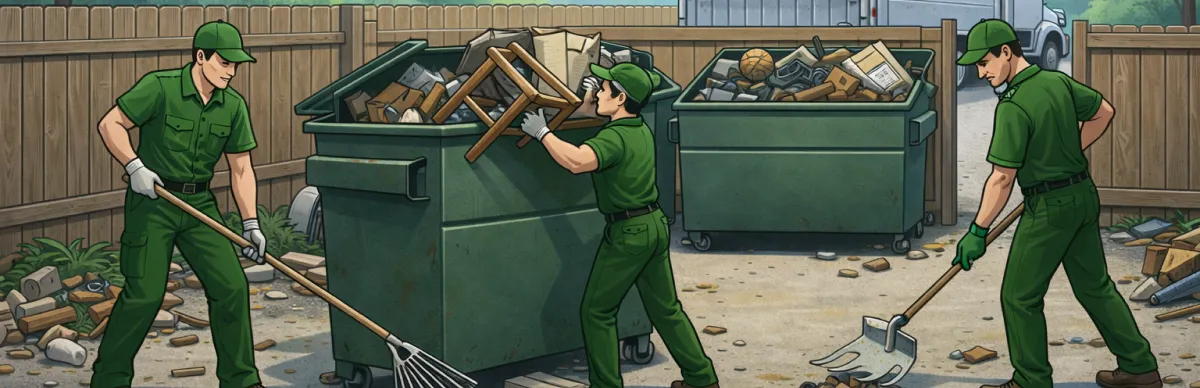
Fast and Reliable Cleanup
Compliance With Local Regulations
Improved Job Site Safety
Eco-Friendly Disposal Solutions
Cost-Effective Waste Management
Flexible Scheduling Options
Coordinating Construction Debris Disposal with Dallas, GA Public Works and Building Departments
Construction and demolition (C&D) debris generated from renovation, remodeling, or demolition projects in Dallas, GA must be managed in accordance with municipal and county disposal requirements. The City of Dallas does not operate a dedicated municipal C&D landfill, so property owners and contractors must coordinate with authorized solid waste haulers or transport debris to permitted Paulding County disposal facilities. Before beginning any project that generates significant debris, residents should confirm disposal logistics and verify hauler credentials. Key coordination steps include:
- Obtain required building permits before demolition or renovation work begins through the Dallas Community Development Department
- Verify hauler authorization to confirm any hired debris removal service holds valid state and local operating credentials
- Separate hazardous materials such as lead paint, asbestos, and chemical solvents from general C&D waste streams
- Prevent stormwater contamination by securing debris piles and preventing runoff into storm drains or waterways
- Schedule debris removal promptly to avoid code enforcement violations related to accumulated waste on properties
Dallas Public Works Department
116 Main Street, Dallas, GA 30132
Phone: (770) 443-8110
Official Website: Dallas Public Works Department
Dallas Building Permit Requirements for Demolition and Renovation Debris Projects
Any construction, demolition, or substantial renovation project within Dallas city limits requires appropriate building permits issued by the Dallas Community Development Department. Permit applications undergo plan review and inspection processes to ensure compliance with local building codes and waste management expectations. Demolition permits in particular carry specific obligations regarding debris handling, site cleanup timelines, and environmental safeguards. Failure to obtain proper permits before generating construction debris may result in code enforcement action and project delays. Important permit-related considerations include:
- Demolition permits require documentation of utility disconnections and may mandate asbestos surveys for structures built before 1980
- Renovation permits should account for anticipated debris volumes and identify the disposal method or hauler to be used
- Site inspections conducted by the building department may verify that debris is being stored, sorted, and removed in compliance with permit conditions
- Project completion requires final inspection clearance, which includes confirmation that all construction debris has been properly removed from the site
Dallas Building Permits Office
116 Main Street, Dallas, GA 30132
Phone: (770) 443-8110
Official Website: Dallas Building Permits
Georgia's Solid Waste Management Act and Construction Debris Disposal Compliance
Construction debris disposal in Dallas, GA is governed at the state level by the Georgia Comprehensive Solid Waste Management Act (O.C.G.A. § 12-8-20 et seq.), administered by the Georgia Environmental Protection Division (GA EPD). This legislation establishes permitting requirements for solid waste handling facilities, sets standards for C&D landfills, and mandates proper disposal of all construction and demolition materials. Georgia law classifies C&D debris—including lumber, drywall, concrete, brick, roofing materials, and metals—as a distinct waste category with specific disposal facility requirements. Compliance obligations include:
- C&D debris must be disposed of at permitted facilities — illegal dumping on vacant lots or in waterways carries penalties under Georgia law
- Asbestos-containing materials require handling by licensed abatement contractors and disposal at facilities permitted to accept regulated asbestos waste per EPA regulations
- Concrete, brick, and clean fill may be accepted at inert waste landfills or recycling facilities separately from mixed C&D debris
- Scrap metal, untreated wood, and cardboard should be separated for recycling where feasible to reduce landfill volumes
- Haulers transporting C&D waste must deliver loads to GA EPD-permitted disposal or recycling facilities
Material Sorting and Separation Standards for Dallas Construction Debris Projects
Proper sorting and separation of construction debris at the project site is essential for regulatory compliance and environmental stewardship in Dallas, GA. While Georgia does not currently impose a statewide mandatory C&D recycling diversion rate, the Georgia Environmental Protection Division encourages waste reduction and material recovery. Separating recyclable and reusable materials from general debris reduces disposal costs and supports regional landfill diversion efforts. Contractors and property owners should implement on-site sorting practices that address the following material categories:
- Concrete, asphalt, and masonry — can often be crushed and recycled as aggregate for road base or fill material at permitted recycling facilities
- Untreated dimensional lumber — may be accepted by wood recycling operations for mulch production or biomass energy
- Metals (steel, copper, aluminum) — should be separated for scrap metal recycling, which diverts significant weight from landfills
- Drywall and gypsum board — some facilities accept clean drywall for recycling; contaminated or painted drywall may require standard disposal
- Roofing shingles — asphalt shingle recycling programs exist in some areas of Georgia, converting material into road paving aggregate
- Hazardous materials (paint, solvents, adhesives, treated wood) — must never be mixed with general C&D debris and require separate hazardous waste disposal
Dallas Code Enforcement
116 Main Street, Dallas, GA 30132
Phone: (770) 443-8110
Official Website: Dallas Code Ordinances
Safety Protocols and Hazardous Material Handling for Dallas Construction Debris Removal
Construction debris removal in Dallas, GA frequently involves materials that pose health and safety risks requiring specialized handling procedures. Structures built before 1978 may contain lead-based paint, and buildings constructed before 1980 may include asbestos in insulation, floor tiles, roofing, or pipe wrapping. Federal regulations under the EPA Renovation, Repair, and Painting Rule mandate lead-safe work practices when disturbing painted surfaces in pre-1978 structures. Workers and property owners should observe the following safety requirements:
- Asbestos surveys should be conducted by certified inspectors before demolition or renovation of older structures; friable asbestos requires licensed abatement
- Lead-safe work practices include containment, dust suppression, and proper cleanup when disturbing lead-based paint during renovation
- OSHA construction safety standards apply to all debris removal activities, including requirements for personal protective equipment, fall protection, and proper lifting techniques
- Silica dust exposure from cutting or breaking concrete, brick, or stone requires respiratory protection and dust control measures
- Electrical and structural hazards must be assessed before debris removal begins; utility disconnection verification is essential
Paulding County Fire Rescue
240 Constitution Boulevard, Dallas, GA 30132
Phone: (770) 443-3667
Official Website: Paulding County Fire Rescue
What Neighborhoods Do We Serve Throughout Dallas, GA?
- Downtown Dallas Historic District: Older commercial and residential structures in the historic core may contain asbestos or lead-based paint, requiring pre-demolition surveys. Narrow lot configurations and on-street parking along Main Street can limit equipment staging and debris loading access.
- Brookmont and Hardee Road Corridor: Established single-family residential neighborhoods with mature tree canopy that may restrict overhead clearance for hauling vehicles. Renovation projects in these areas commonly generate roofing, siding, and interior remodeling debris.
- Villa Rica Highway Commercial Corridor: Mixed commercial and light industrial properties along the highway generate larger volumes of C&D debris from tenant improvements and building renovations. Loading dock access and off-street staging areas are typically available.
- Paulding County Residential Subdivisions (Unincorporated Areas near Dallas): Newer subdivisions surrounding Dallas feature contemporary construction with wider streets and driveway access. New construction and addition projects in these growing communities produce significant volumes of lumber, drywall, and packaging waste.
- John Tanner Park and Surrounding Areas: Properties near Dallas Parks & Recreation facilities may be subject to additional environmental protections related to stormwater runoff and tree preservation, particularly when construction debris is generated near waterways or protected green spaces.